To replace a torn ligament in your knee and restore stability and mobility, the Best ACL Reconstruction Surgeon in Thane performs ACL surgery.
The anterior cruciate ligament, or ACL, is the band of tissue inside your knee. It is destroyed when it rips or swells. Because they participate in activities that could put a lot of strain on the knee, athletes often suffer from ACL injuries, including:
When your ACL is healthy, the bones in your knee are held together. It also maintains the stability of your knee. If your knee is damaged, you may have trouble walking, playing sports, or applying pressure. If you strain or slightly tear your ACL, it may heal over time with the help of your doctor and physical therapy. But if it's fully torn, you may need to replace it, especially if you are a youthful, active person or an athlete who wants to keep playing sports.If you're older or less active, your doctor might recommend non-surgical treatments.
Your doctor will use a tendon to replace your torn ACL. (Tendons connect muscle to bone.) The goal is to restore your knee's stability and full range of motion under the expert care of the Best ACL Reconstruction Surgeon in Thane.
It is referred to as a graft when the tendon is inserted into your knee. When performing ACL surgery, three different kinds of grafts can be utilized:
artificial graft. At this point, the tendon is replaced by synthetic materials. Among the earliest materials utilized (in the early 20th century) were silk and silver fibers. Although there are now more sophisticated choices, such as Teflon and carbon fiber, researchers are still trying to identify the ideal material for ACL replacement.
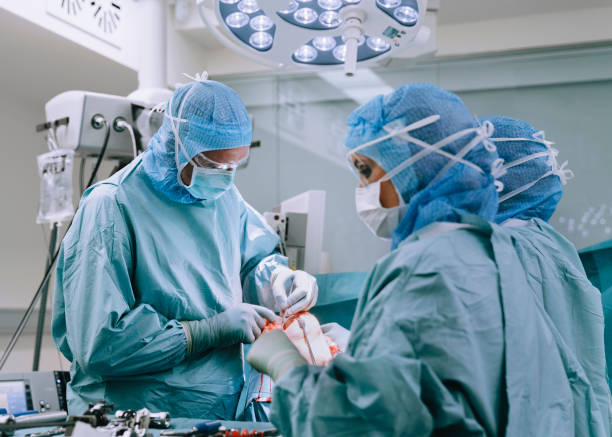
Doctors typically perform arthroscopic surgery on the ACL. To put it another way, doctors make tiny incisions around your knee to insert a camera and other small devices. This method leaves fewer skin scars than open knee surgery. It takes about an hour to finish. While general anesthesia puts you to sleep for the procedure, regional anesthesia involves your doctor injecting medication into your back so you won't feel anything in your legs for a few hours. If you have a regional anesthetic, you might also be given medication to help you relax during the procedure.The graft must be positioned correctly as the initial step. After that, your doctor will drill two" coverts." One will be fitted into the bone above your knee and another into the bone beneath it. To secure the graft, screws will be inserted into the tunnels. As you heal, it acts as a kind of bridge on which a new ligament will grow. A new ACL may take several months to fully develop. Most patients can return home the same day after surgery.
Your doctor will advise you to wear a brace, stay off your leg, and rest your knee to protect the joint. Doctors are also conducting research to determine if a new type of ACL surgery is more effective than the current standard of care. It's known as bridge-enhanced ACL repair, or BEAR. Unlike conventional ACL surgery, BEAR eliminates the need for a replacement by allowing the torn ACL to heal naturally. Doctors insert a specific tiny sponge into your knee between the torn ends of your ACL.
After your own blood is injected into the sponge, the torn, loose ends of the ACL are sewn into it. It becomes an advocate of the ACL. The torn ends eventually heal and grow into new, healthy ACL tissue under the direction of the Best ACL Reconstruction Surgeon in Thane.
ACL surgery carries some dangers, just like any other kind of surgery. Generally speaking, surgery may result in:
The hazards associated with ACL surgery specifically include:
You will learn how to change the dressing on your wound before you leave the hospital. Your medical staff may advise you to keep your knee elevated on pillows, apply ice, and compress it with a bandage. To relieve the strain on your knee, you will most likely need to use crutches.
To relieve pain, your doctor might suggest the following medications:
The Best ACL Reconstruction Surgeon in Thane would advise progressive physical therapy as your ACL starts to repair. The muscles and ligaments will become stronger as a result. After that, you should be able to resume your favorite activities in roughly nine months. It may take up to a year for athletes to return to competition.
Take the first step towards pain-free movement. Schedule your personalized consultation with our expert orthopaedic surgeons today.
Book Appointment